

KANZEN Knife | Seki Artisans on Why a “Knife for Life” Stays Sharp

The KANZEN Knife is crafted one by one, by hand, by artisans in Seki City, Gifu Prefecture — heirs to a blade-making culture passed down for more than 700 years.
What Tashinam set out to create was the finest knife for everyday use. To bring that ideal to life, we developed the knife together with a bladesmith in Seki.
The result is the KANZEN Knife — a knife its maker describes as "the finest knife I am capable of making today." We sat down with the Seki artisan behind it.
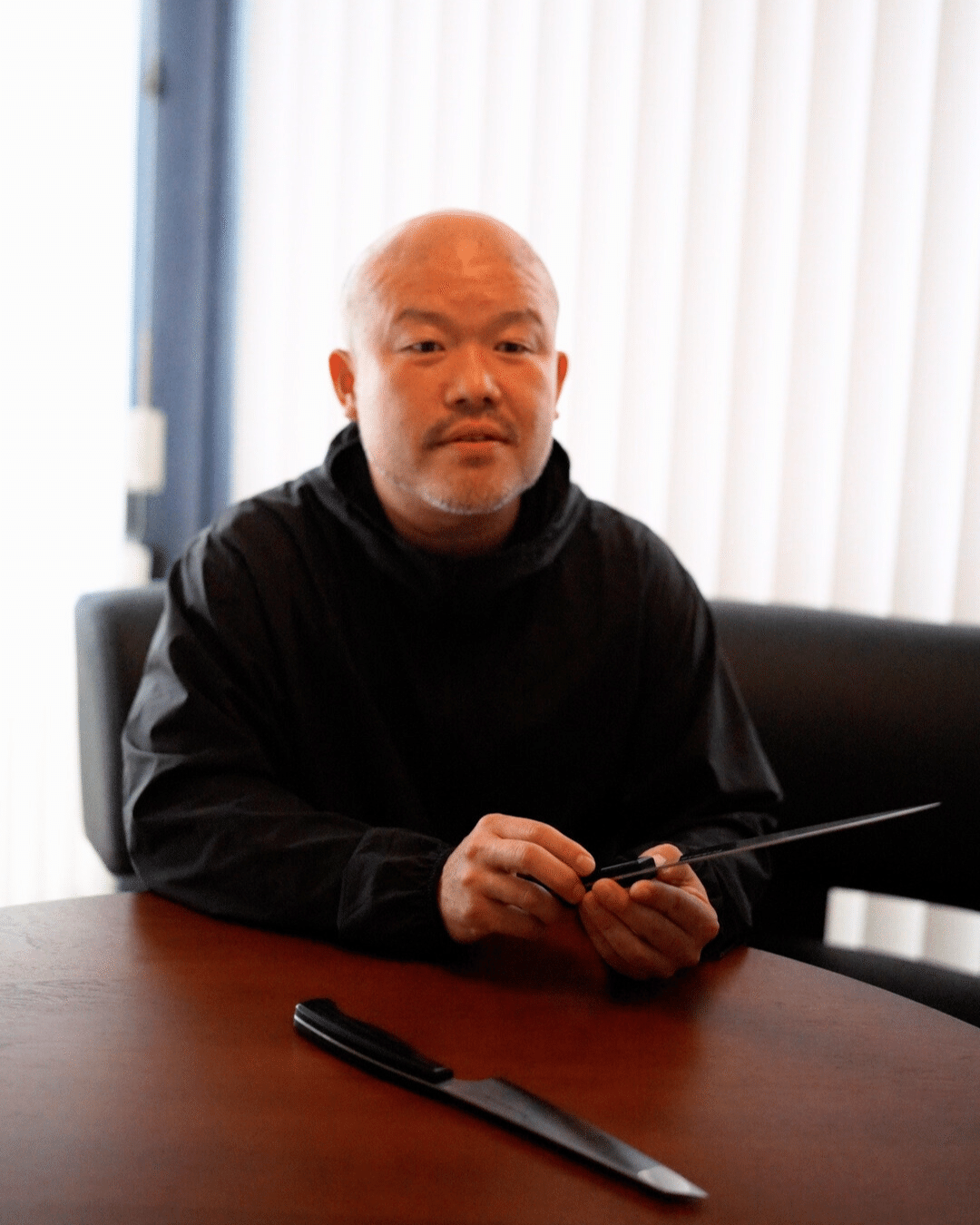
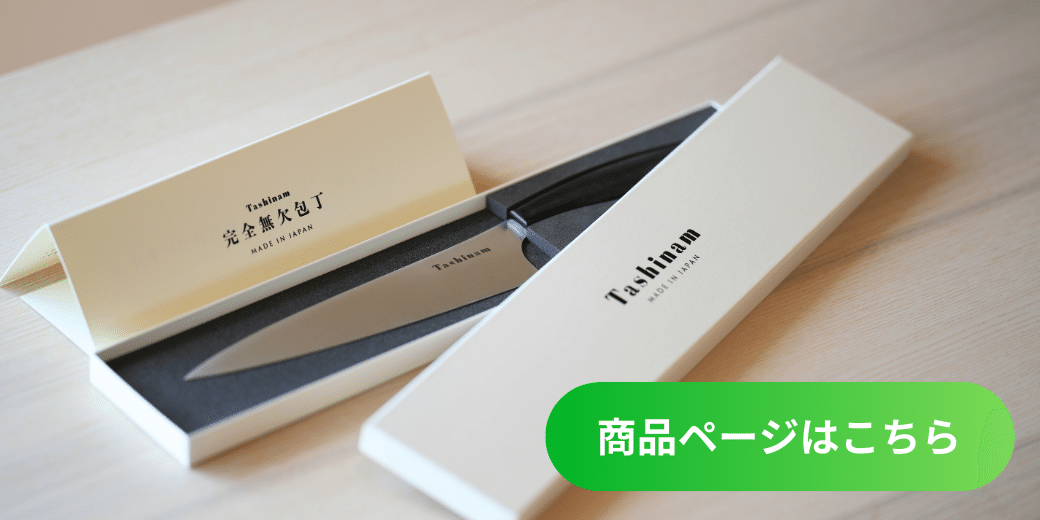
The Materials and Construction Behind the KANZEN Knife
— What is the single biggest difference between the KANZEN Knife and other knives?
The biggest difference is that it uses solid, single-piece VG-10 steel.
Most ordinary knives have a hard core sandwiched between layers of softer metal on both sides.
The KANZEN Knife, by contrast, is made entirely of the same hard steel, from the core to the very edge.
I truly believe solid single-piece steel is the best way to keep an edge for a long time.
Grinding that solid VG-10 this thin, and honing it to this level — that is the heart of what makes this knife special.
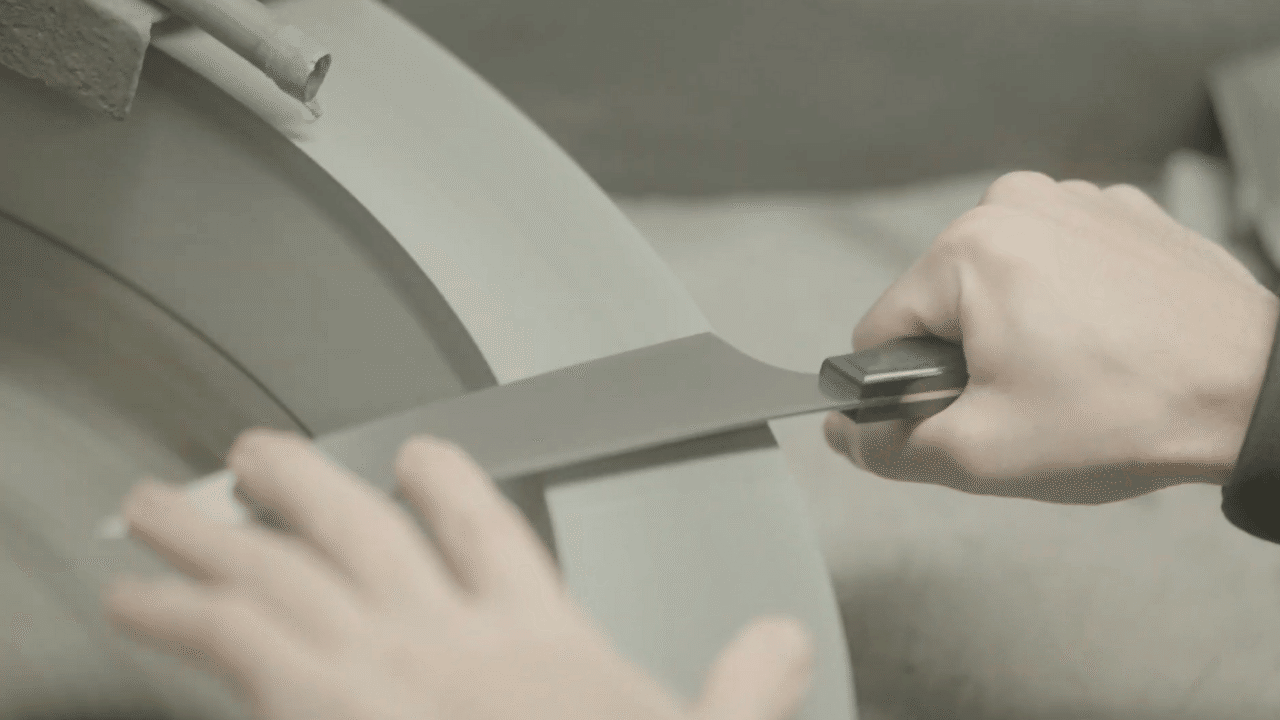
— So the thinness of the edge is key to the KANZEN Knife's sharpness?
Yes. To begin with, I know of no other knife with solid VG-10 steel ground this thin.
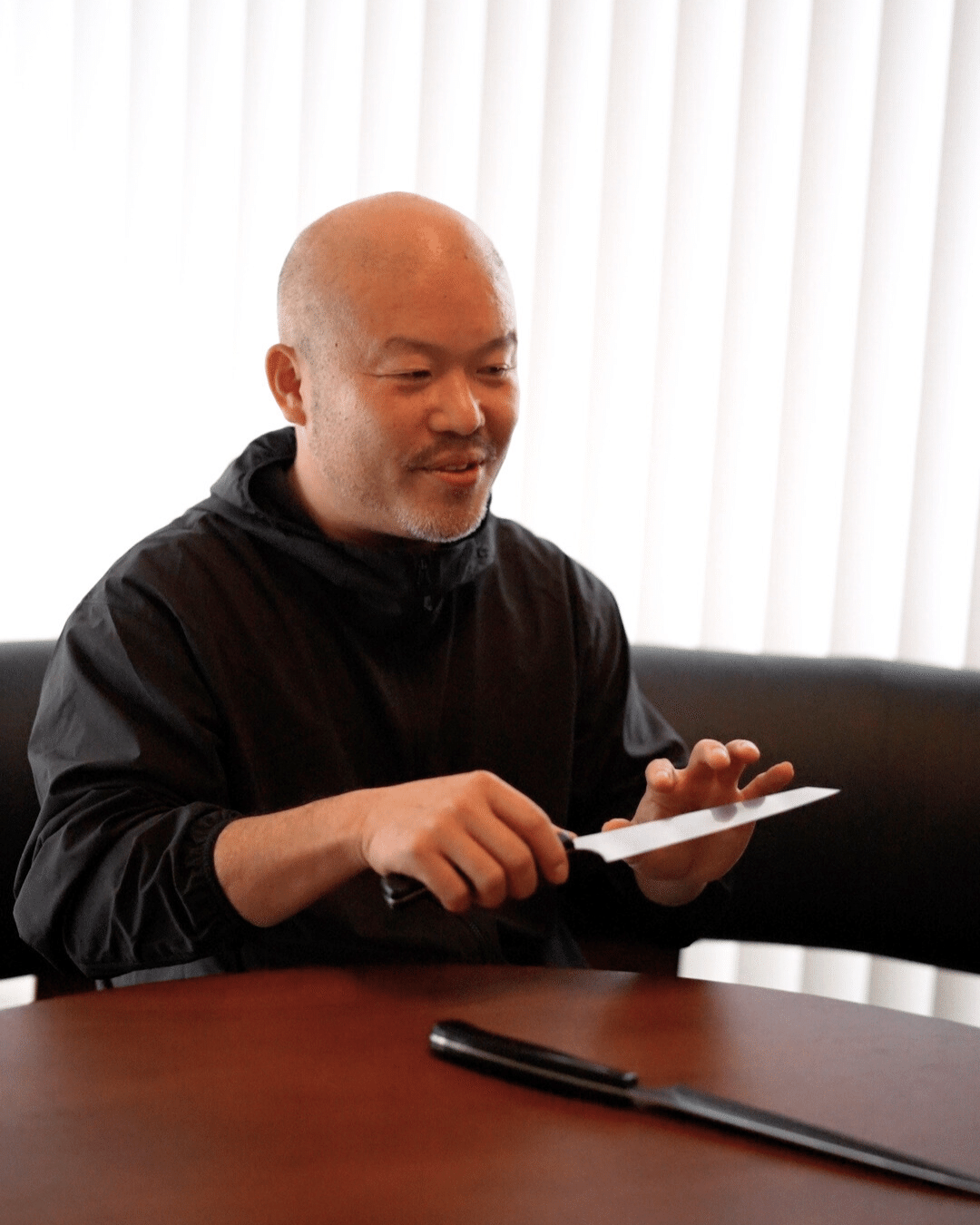
This steel is extremely hard, so making it this thin is difficult in itself, and it takes an enormous amount of time.
In the world of traditional Japanese knives there is a technique called "honyaki" — this knife is, in a sense, the stainless steel realization of that technique.
Grinding such hard material this thin, into a convex "hamaguri" (clamshell) profile on both sides, demands genuinely advanced skill.
It may look like an ordinary knife, but the way it enters the food when you actually use it, and how long the sharpness lasts — those are on a completely different level.
Why the Sharpness and Feel Are "On Another Level"
— When people actually use it, what difference do you want them to feel?
First-time users are always surprised by the thinness of the edge and the way the blade enters.
The weight of the knife alone carries it smoothly into the ingredient.
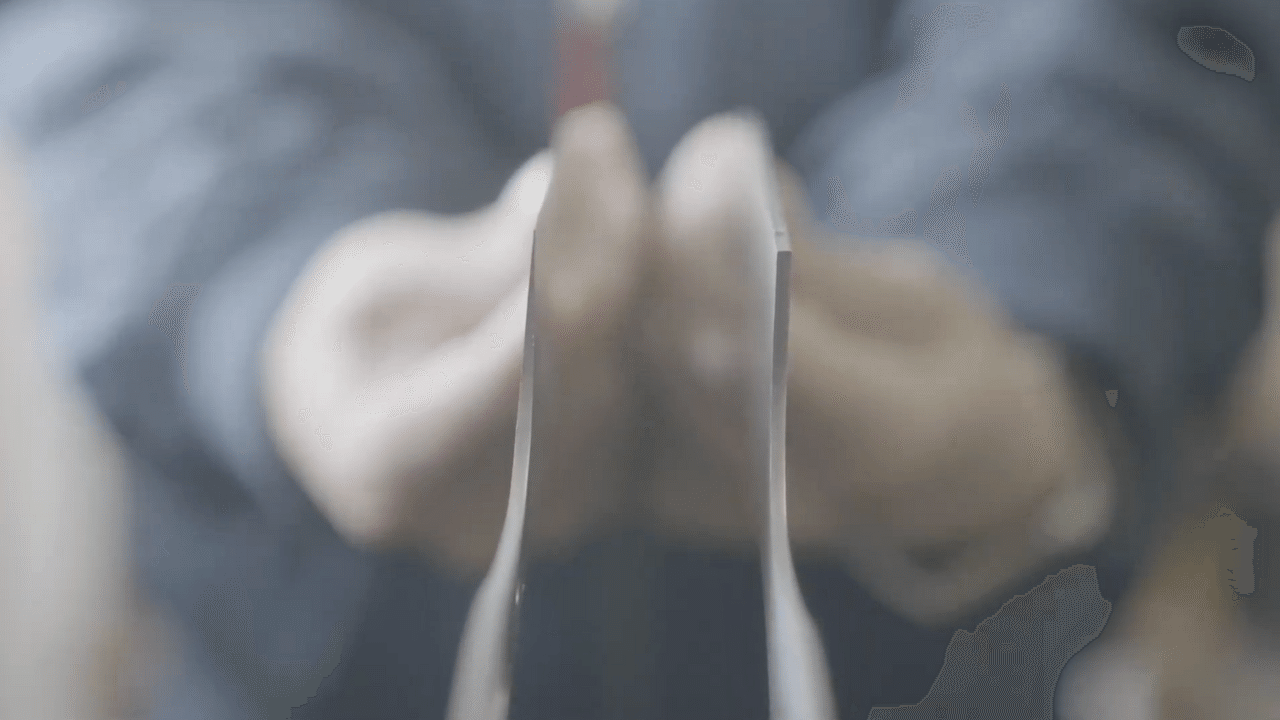
Even for me, using it myself, that first effortless glide into the food and the difference in the cut surface are something else entirely.
The cut surfaces come out beautifully, and because it cuts while preserving the moisture inside, you can see the difference in the finish — with vegetables and meat alike.
— Where does the long-lasting sharpness come from?
First, the steel itself: it is rust-resistant stainless steel, yet carries a carbon content close to that of traditional carbon steel.
With chromium properly worked in, it also stands up well against rust.
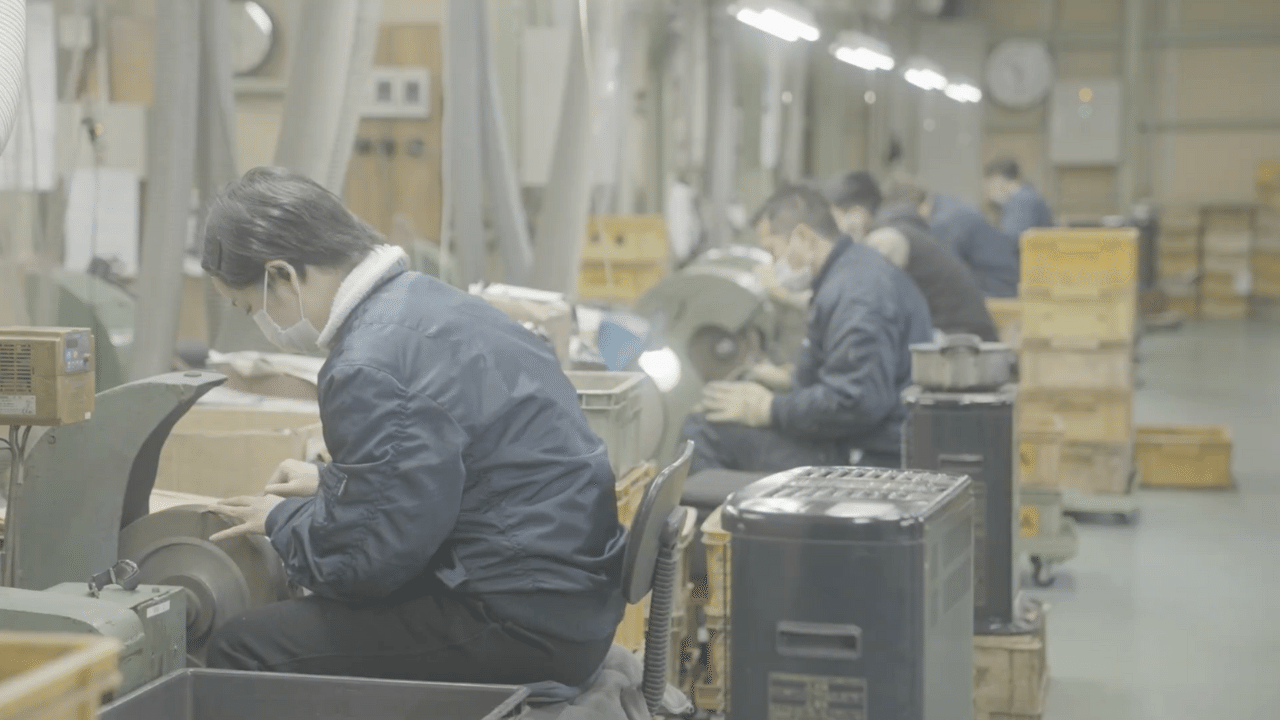
On top of that:
1. The hardness of the steel
2. The hamaguri (convex) profile of the sides
3. The angle of the edge
Unless these three mesh together in just the right balance, peak sharpness will not last.
The immaculate surface finish matters, too. Scratches and dents collect grime and invite rust.
By polishing it this thoroughly, we create a surface that resists rust and repels grime.
A Knife Born of One Artisan — Skill, Philosophy, and the Future
— Why can only a handful of artisans make this knife?
Solid VG-10 is simply that hard.
To grind it, you have no choice but to apply real force.
But press too hard and grind too much, and the blade turns uneven.
Ease off, and it won't grind at all.
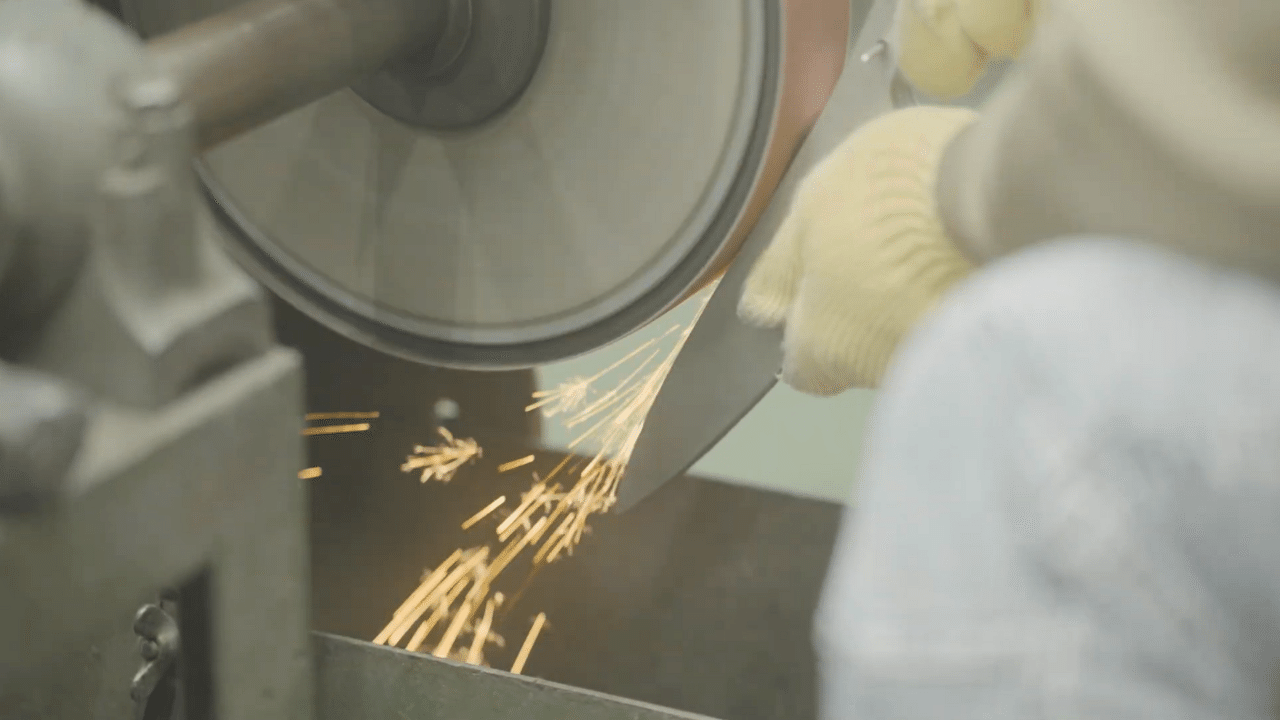
That touch — "you must apply force, yet finish the grind with delicacy" — is something no words or manual can convey.
It can only be acquired through years of experience.
Even if I delegated the intermediate steps to someone else and only did the final finishing myself, there would be a faint wrongness I can feel in my fingertips — and the knife would never reach that level of sharpness.
That is why I believe this knife can only be made by an artisan who can carry it through alone — from the intermediate stages to the final edge.
— As a bladesmith, what do you consider a "good knife"?
Of course, "it cuts well" is a given. But what matters even more, I think, is whether the tool makes people feel that cooking is fun.
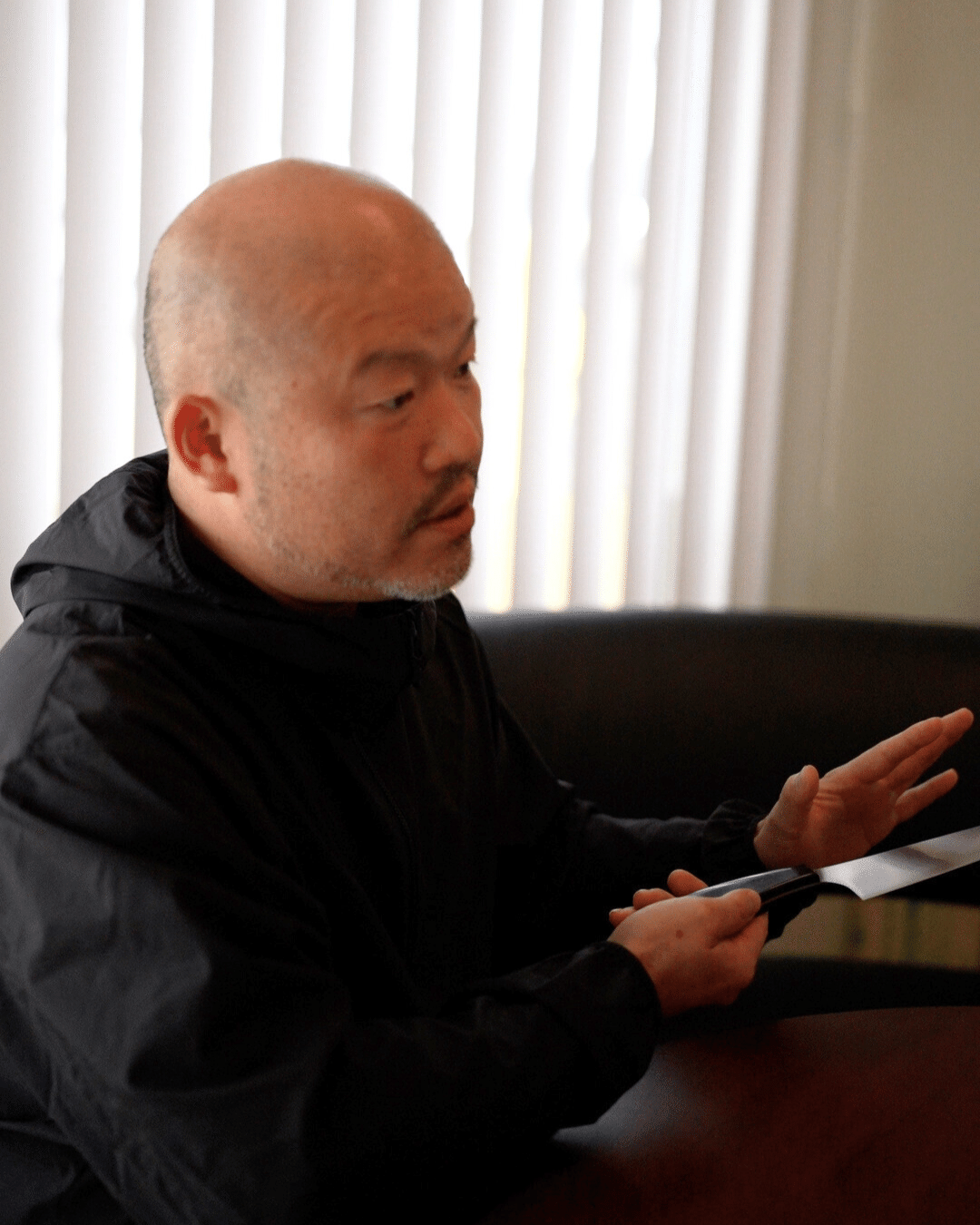
Let's be honest — cooking can be a chore sometimes.
And in those moments, I want to make a tool that lets people feel, "cutting with this knife is a joy."
That is what I value most.
— On continuing to make knives in Seki, the city of blades
I am actually someone who moved to this town because I wanted to make knives in Seki.
Seki is a blade-making region with 700, even 800 years of history, and the know-how of hardening and sharpening has accumulated throughout the entire community.
A single knife can never be made by one person alone. It is only completed thanks to Seki's network of artisans.
My ideal is a cycle where I pass the techniques I inherited on to the next generation of young artisans, and they in turn refine them to suit their own era.
▼ Watch the interview video here
A Knife That Lives with You, Carrying Japanese Craftsmanship Forward
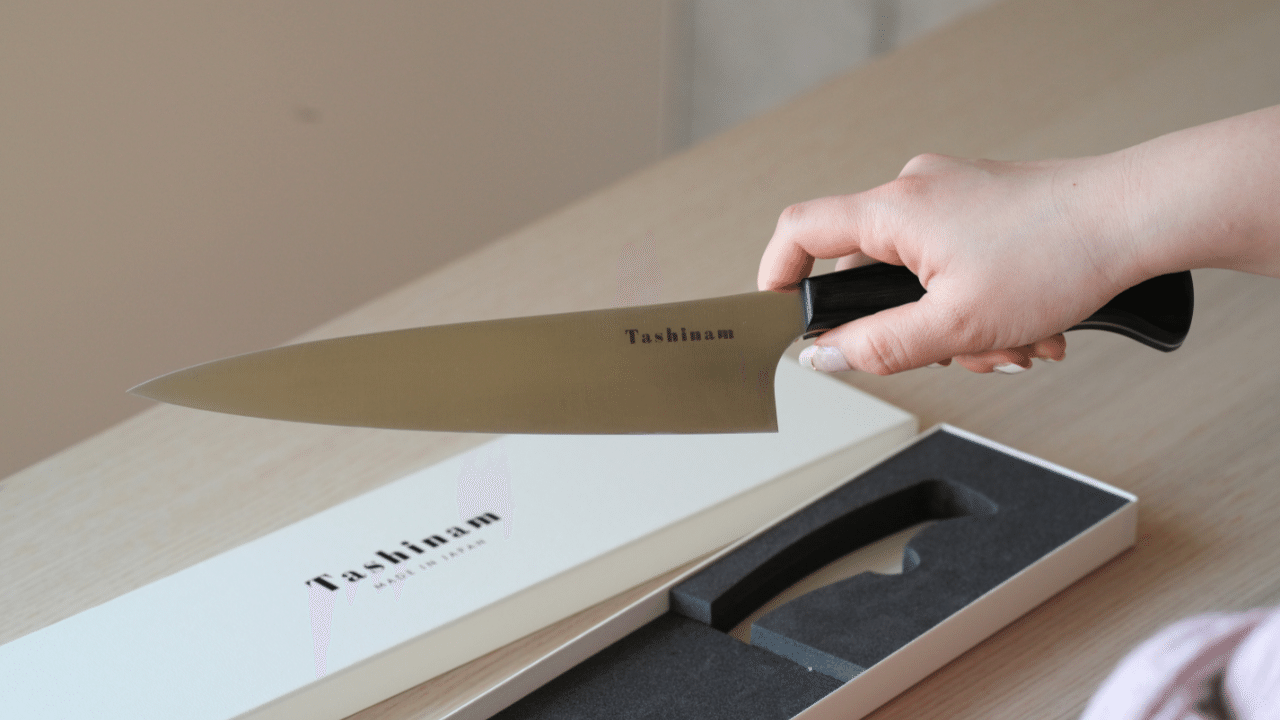
The secret of the KANZEN Knife's sharpness lies in true artisan skill — craftsmanship that can only be produced by the few bladesmiths of Seki City, Gifu Prefecture, honed over long years of work.
What Tashinam set out to achieve is not a tool for the privileged few, but a way for the value of Japanese craftsmanship to be carried on naturally, within everyday life.
This is a knife that makes your time in the kitchen more pleasant — and at the same time, choosing this knife is a step toward carrying Japan's artisan culture into the future.
If that is an experience you cherish, we would be delighted for you to take the KANZEN Knife into your hands.
Get the Tashinam KANZEN Knife here 👇
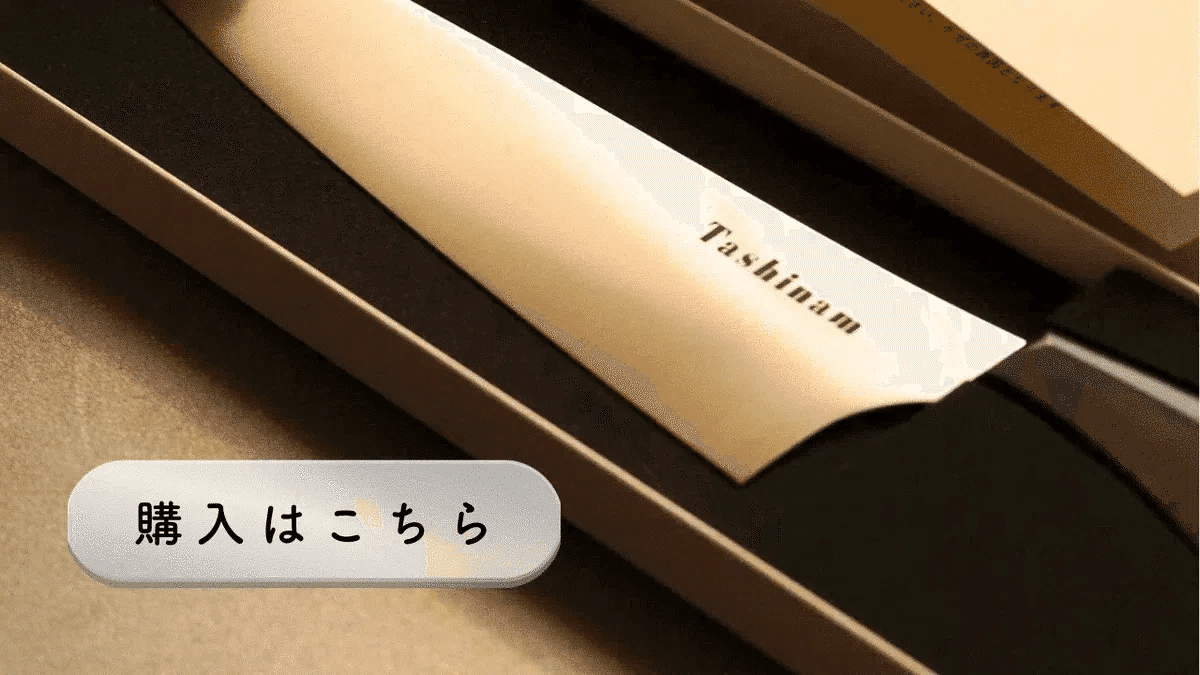
The KANZEN Knife is a professional-grade kitchen knife for the home, combining sharpness, durability, and beauty in one blade.
Features of the KANZEN Knife
-
Honyaki-style construction with VG-10 steel through the entire blade
-
Each knife carefully hand-finished, one by one, by artisans
-
Exceptional sharpness trusted even by professionals
A 7-day trial program is also available after delivery. If you're not satisfied after actually using it, you can return it.
The finely honed edge slices cleanly through meat, fish, and vegetables alike — without crushing their fibers — drawing out the very best of every dish.
For those searching for the finest knife: please try the KANZEN Knife for yourself.